
Hormonal health for women is not a niche concern. It shapes how women feel every single day: energy levels, emotional resilience, sleep quality, and the experience of their menstrual cycle. For too long, women have been told that persistent fatigue, mood swings, and cycle irregularities are simply part of being a woman. They are not.
Understanding how hormones work, what disrupts them, and what genuine support looks like is one of the most practical investments you can make in your long-term wellbeing.
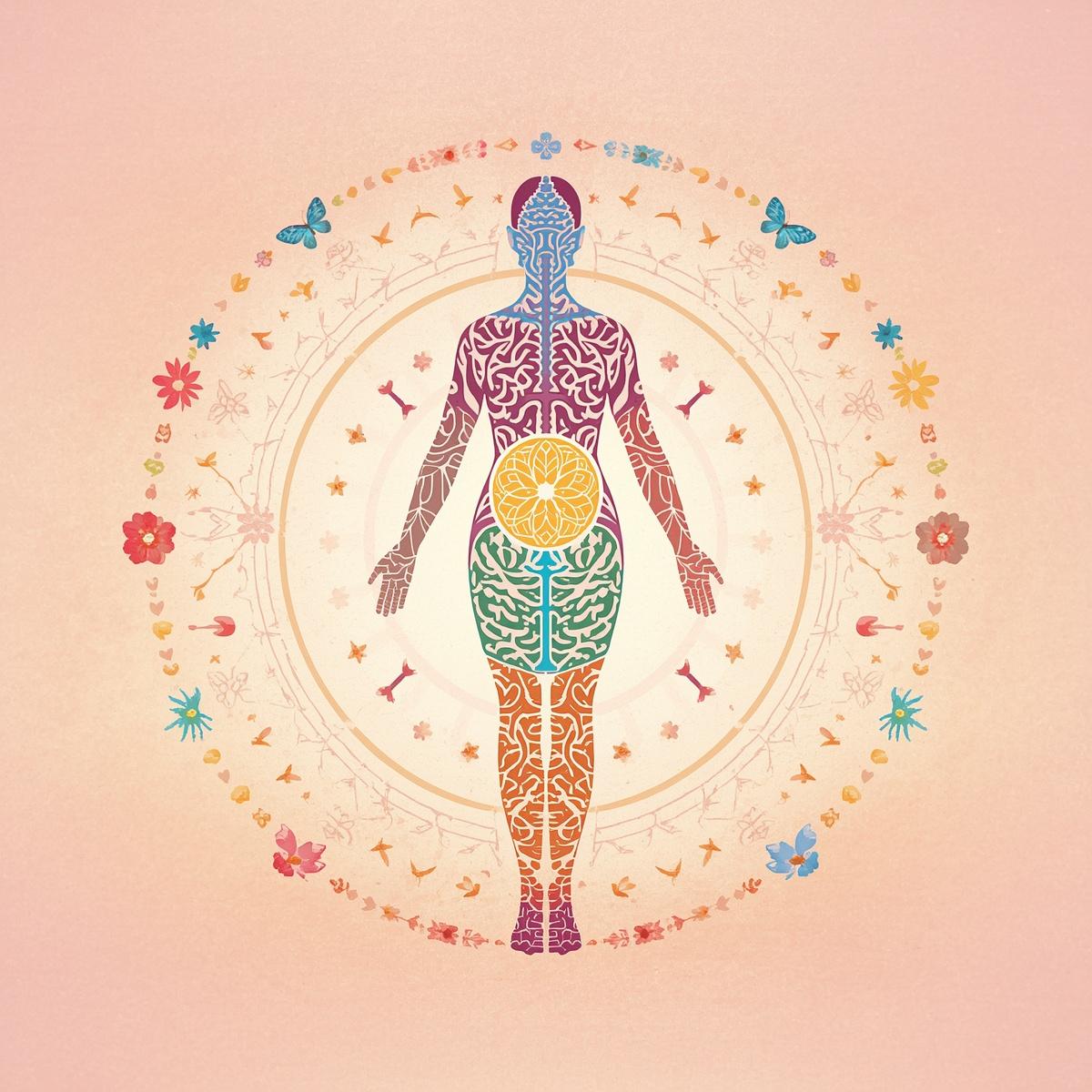
The Hormonal Health Cycle: More Than Just a Period
The menstrual cycle is a four-phase biological process that influences far more than bleeding. Across the follicular, ovulatory, luteal, and menstrual phases, oestrogen and progesterone shift significantly. These hormonal changes directly affect brain chemistry, energy availability, metabolism, and emotional regulation.
Research from University College London found that hormonal fluctuations influence cognitive performance and emotional processing across the cycle. This is not a flaw in women’s biology. It is a predictable, trackable pattern that most healthcare systems have historically overlooked.
Cycle tracking is not only for fertility. It is a data tool that gives you insight into your energy peaks, recovery needs, and your body’s natural rhythm.
Why Your Energy Keeps Crashing
If you consistently hit energy lows mid-afternoon, struggle to focus in the week before your period, or wake up exhausted despite eight hours of sleep, hormones are likely a significant contributing factor.
Low progesterone, oestrogen dominance, and adrenal dysregulation are among the most common and underdiagnosed drivers of chronic fatigue in women. These conditions are rarely screened for in a standard GP appointment.
A 2022 survey by Wellbeing of Women found that nearly half of women in the UK felt their GP had dismissed their hormonal health concerns. Many are told to rest more when the real issue is a hormonal imbalance affecting cortisol regulation and blood sugar stability.
Functional wellness approaches, including targeted nutrition, evidence-informed supplementation, and deliberate stress load management, can meaningfully address these patterns.

Mood Changes Are Not a Character Flaw
Premenstrual mood shifts, anxiety spikes, and emotional sensitivity in the luteal phase are real neurological events tied to hormonal fluctuations.
PMDD (Premenstrual Dysphoric Disorder) affects an estimated 5 to 8% of women of reproductive age in the UK. Yet average diagnosis time remains measured in years, not months.
Oestrogen and progesterone modulate serotonin and GABA pathways, the same systems that antidepressants target. When these hormones drop sharply in the lead-up to menstruation, some women experience a neurochemical shift. This shift often presents as clinical depression or severe anxiety.
Naming this accurately changes the treatment conversation from “are you just stressed?” to “what is your body doing, and how can we support it?”
If you have been dismissed or told your symptoms are simply anxiety, it is worth pushing for a specialist referral. NHS pathways for PMDD and hormonal disorders have expanded, and women now have clearer routes to evidence-based diagnosis and care.
What Evidence-Informed Hormonal Health Support for Women Looks Like
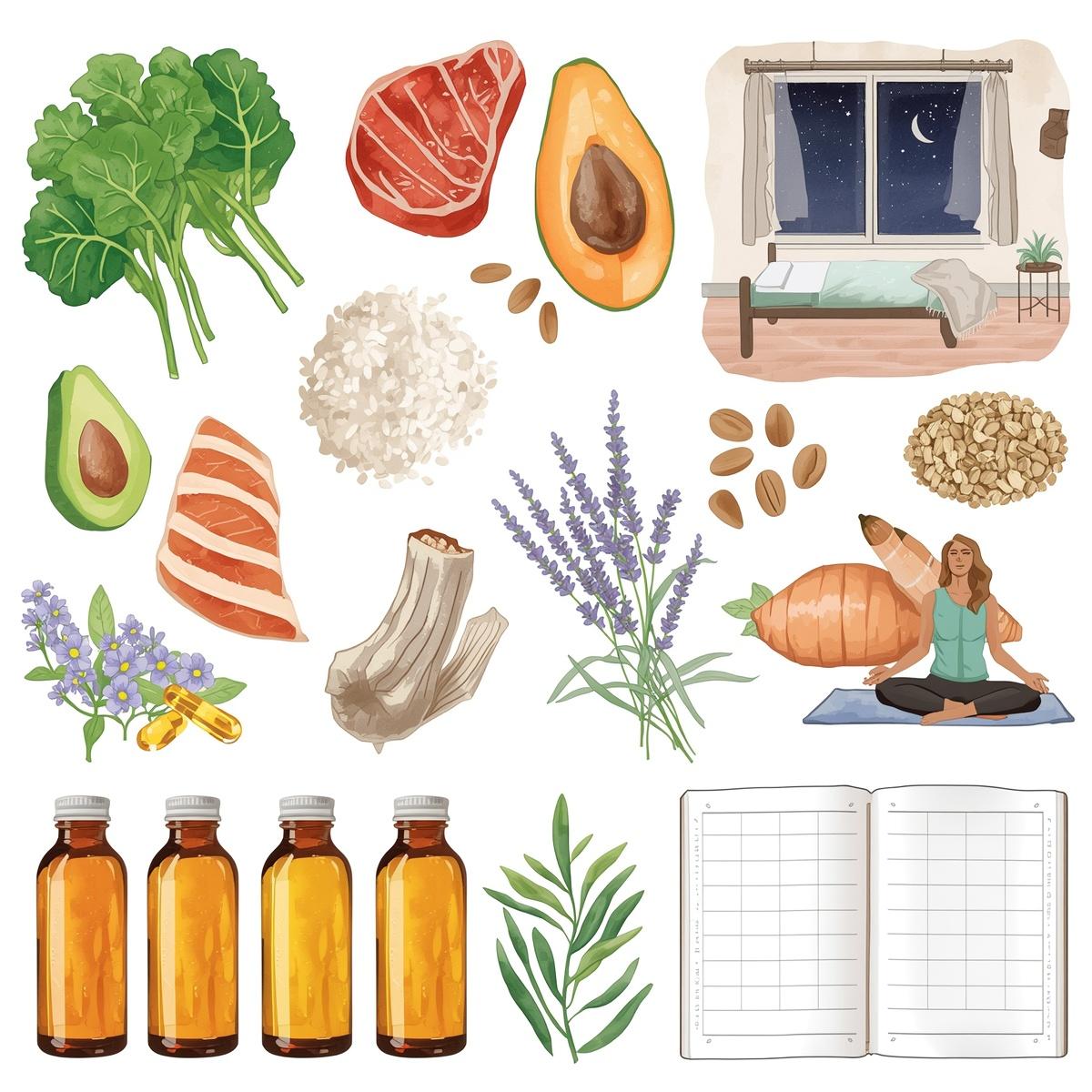
Effective hormonal health support for women does not require a long referral wait or a prescription. It starts with evidence-informed fundamentals:
- Cycle-synced nutrition:
Prioritise iron and B vitamins in the follicular phase. Have magnesium and complex carbohydrates in the luteal phase to support serotonin production. - Adrenal support:
Reduce cortisol spikes through consistent sleep hygiene, adaptogen use, and deliberate management of your stress load - Targeted supplementation:
These include magnesium glycinate, vitamin B6, and omega-3 fatty acids. They are among the most evidence-backed options for hormonal balance and mood regulation - Self-advocacy:
Tracking your cycle and symptoms creates data you can bring to any healthcare provider, NHS or private. This will greatly support informed conversations about your care.
For women navigating limited access to specialist hormonal health care, functional wellness is not an alternative to medicine. It is often the bridge that keeps you functioning while the system catches up.