
Hormone replacement therapy in 2025 is safer, more personalised, and better supported by evidence than at any point in the last two decades.
The medical consensus has shifted substantially since the studies that drove mass fear of HRT in the early 2000s. For women navigating perimenopause or menopause, that shift matters more than most headlines have let on.
What Hormone Replacement Therapy Actually Does
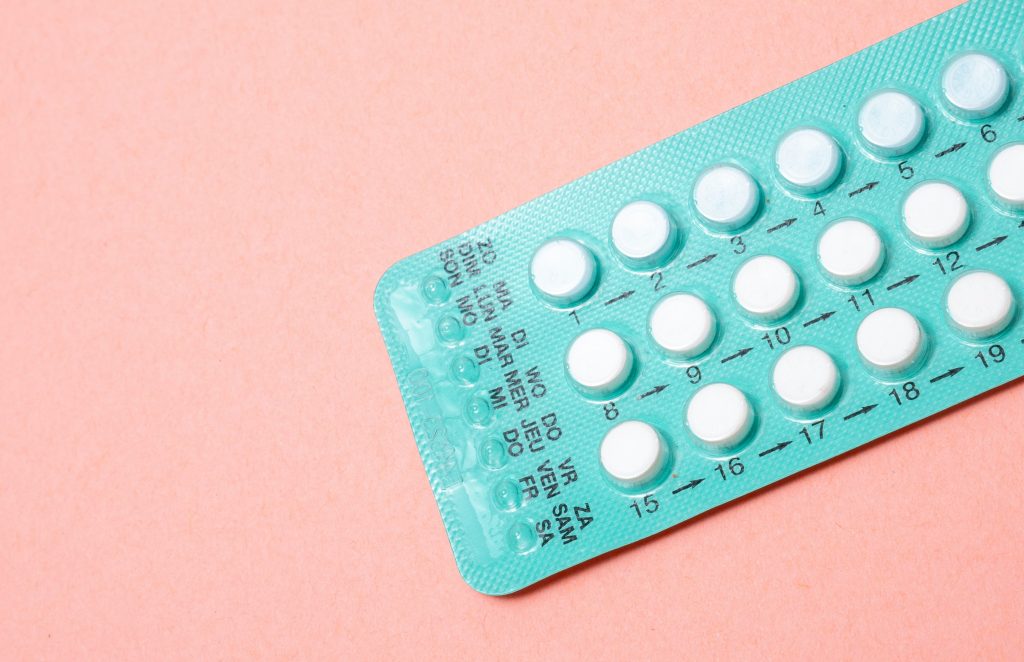
HRT works by replenishing the hormones, primarily oestrogen and progesterone, that the body produces less of during perimenopause and menopause.
The decline of these hormones drives the symptoms most women recognise. These include hot flushes, night sweats, mood changes, sleep disruption, brain fog, and joint pain.
What is less often discussed is the longer-term impact. Declining oestrogen is linked to reduced bone density, increased cardiovascular risk, and cognitive changes.
Hormone replacement therapy does not simply mask symptoms. For many women, it addresses an underlying hormonal deficit that would otherwise affect quality of life for years.
Is HRT Safe in 2025? What the Evidence Now Shows
For the majority of women, hormone replacement therapy in 2025 is considered safe, with benefits that outweigh the risks for most candidates. This is the current position of the British Menopause Society, the NICE guidelines updated in 2023, and leading endocrinology bodies globally.
The fear around HRT was largely fuelled by the Women’s Health Initiative study published in 2002, which linked combined HRT to a small increase in breast cancer risk. That study has since been substantially reanalysed.
The type of hormones used, the delivery method, individual health history, and the age at which HRT begins all significantly affect the risk profile.
For women who start HRT before age 60, or within 10 years of menopause onset, the risk-to-benefit balance is, for most, clearly favourable.
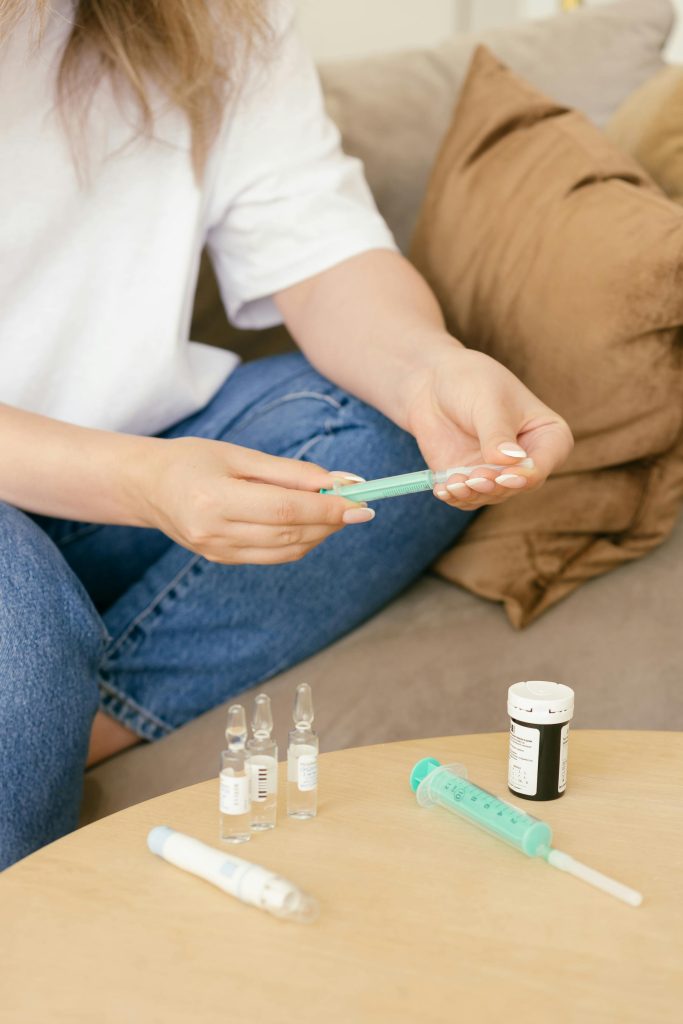
In the UK, the NHS has actively expanded access to HRT prescriptions following the 2022 menopause policy review, a direct response to years of under-treatment and unmet clinical need.
Types of HRT Available in 2025
Delivery options have expanded considerably, giving women and their clinicians more control over how HRT is administered:
- Transdermal patches and gels carry a lower clot risk than oral forms and are often the first-line recommendation
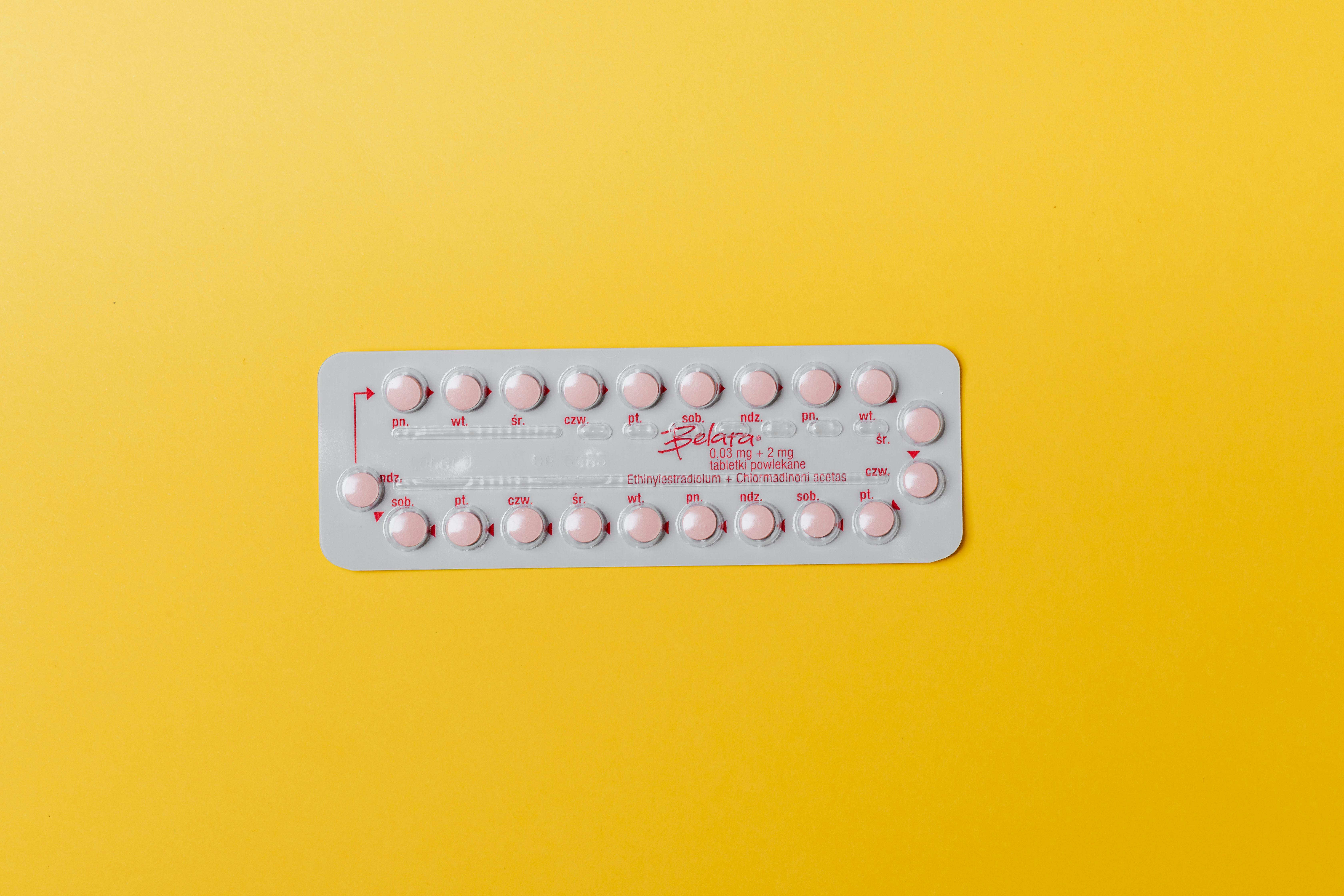
- Oral tablets remain effective and widely prescribed, though with a slightly different risk profile
- Body-identical HRT uses hormones structurally identical to those the body produces, and is increasingly preferred by patients and prescribers alike
- Topical oestrogen for genitourinary symptoms has minimal systemic absorption and can be used long-term with a very low risk profile
- Testosterone for women is gaining clinical recognition for its role in libido, energy, and cognitive function, though it remains under-prescribed
The right combination depends on symptoms, health history, lifestyle, and personal preference. One prescription does not fit every woman.
Who Benefits Most From Hormone Relacement Therapy?
Women experiencing moderate to severe perimenopause or menopause symptoms are the primary candidates. Research also supports HRT for women with premature ovarian insufficiency (POI). This affects around 1 in 100 women under 40. For this group, HRT is not symptom management; it is the recommended standard of care.
Women with a history of hormone-sensitive breast cancer are generally not advised to take systemic HRT, though topical treatments may still be appropriate under specialist guidance. This decision must always be made with a qualified clinician.
What Women Are Still Not Being Told
For too long, women were advised to endure menopause rather than treat it. That approach was built on misread data, undertreated symptoms, and a medical culture that consistently underestimated the impact of hormonal decline on women’s lives.
Whether you are based in the UK, across Africa, or anywhere that menopause remains a stigmatised or underdiscussed subject, you deserve access to the same evidence-based conversations happening in leading clinics.
The choice to use HRT belongs to the woman. What belongs to healthcare providers and wellness communities is making sure she has the full picture before she decides.