
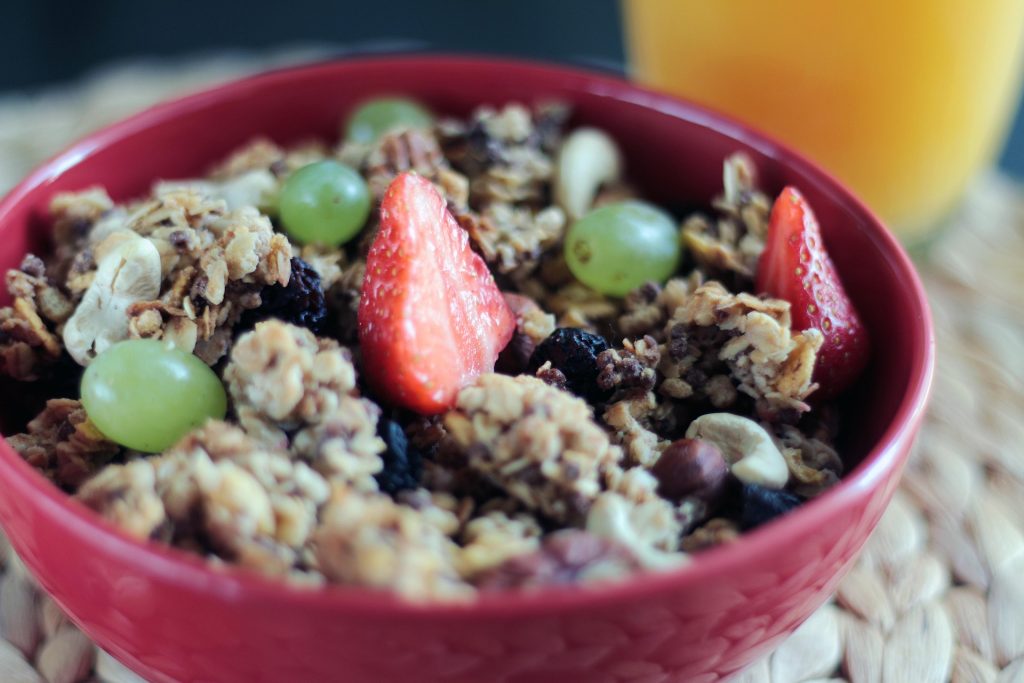
Fibremaxxing started gaining traction in online nutrition communities in 2025 and has since crossed into mainstream health culture.
By 2026, major food brands are paying attention. Whole Foods has flagged fibre-forward labelling as the next dominant packaging trend. PepsiCo has publicly positioned fibre as “the next protein.”
What makes fibremaxxing different from most wellness trends is that it is built entirely on abundance, not restriction. You are not cutting anything. You are adding what your body has always needed.
If you have heard about fibremaxxing and wondered whether it is worth the hype, the answer is in the data.
What is Fibremaxxing?
Fibremaxxing is the deliberate practice of maximising your daily dietary fibre intake through whole foods and intentional nutrition choices.
It is one of the most evidence-backed wellness movements of 2026. Research links consistent fibremaxxing habits to better gut health, stable blood sugar, reduced chronic disease risk, and a measurably longer life.
The concept is straightforward: intentionally prioritise dietary fibre at every meal, treating it with the same consistency and intention you give to protein or hydration. Not as a short-term intervention, but as a permanent shift in how you eat.
Why Most People Are Falling Short
The gap between current fibre intake and recommended targets is significant. Over 90% of people do not meet their daily fibre target.
Most adults consume around 15 grams per day, against a recommended 25 to 38 grams. That shortfall has real consequences: disrupted digestion, blood sugar instability, and elevated long-term disease risk.
Interest in fibremaxxing has surged in direct response. One major nutrition platform reported a 9,500% increase in fibre-related content views over the past year.
The conversation is shifting from “eat less” to “eat more of the right things,” and fibre is at the centre of that shift.
90%+
of people miss their daily fibre target
15g
average daily intake vs. 25–38g recommended
9,500%
surge in fibre content views in 12 months
49%
lower risk of major weight gain in high-fibre consumers
The Science-Backed Benefits of Fibremaxxing
Fibremaxxing works because dietary fibre does far more than support digestion. It feeds your gut bacteria, which produce short-chain fatty acids that reduce inflammation, regulate immunity, and support mental health. The downstream effects are measurable across multiple body systems.
On metabolic health, people in the highest fibre intake groups show a 49% lower risk of significant weight gain. Soluble fibre slows glucose absorption and increases satiety, making it one of the most effective evidence-based tools for weight management.
For cardiovascular health, high-fibre diets are linked to a 26% lower risk of cardiovascular disease-related mortality.
Research on longevity shows that every additional 10 grams of daily fibre is associated with longer telomeres, a direct marker of cellular ageing, and a 23% lower all-cause mortality risk. There is also strong evidence linking consistent fibremaxxing to fewer depressive symptoms and better cognitive resilience over time.
This is not emerging science. It has been there. The trend is just finally getting the attention it deserves.
The Best Fibremaxxing Foods to Add to Your Diet
A sustainable fibremaxxing diet does not require expensive supplements or speciality products. The best fibremaxxing foods are whole, affordable, and widely available.
- Legumes sit at the top of the list: lentils, chickpeas, black beans, and kidney beans are among the most fibre-dense foods per serving.
- Oats, chia seeds, flaxseed, and psyllium husk are particularly valuable for soluble fibre.
- Dark leafy greens, broccoli, carrots, and whole grains such as sorghum and millet complete a well-rounded fibremaxxing diet.
Traditional African and South Asian food cultures have eaten this way for generations. The fibre gap is not a natural phenomenon. It is the direct result of ultra-processed foods displacing the diets that kept populations healthier.

How Much Fibre Per Day Do You Actually Need?
The target for most adults is 25 to 30 grams of fibre per day, with some guidelines recommending 35 to 38 grams for highly active individuals.
What matters more than a precise number is consistency and variety. Different plant fibres feed different gut bacteria, so a varied fibremaxxing diet will always outperform a routine built around one or two high-fibre foods.
How to Start Fibremaxxing Without the Bloat
The most common mistake in fibremaxxing is increasing intake too quickly. A sudden spike in dietary fibre causes bloating, gas, and discomfort that puts most people off before results appear.
The right approach is gradual: add around 5 grams every three to four days, and increase your water intake alongside it. Spread your fibre across all three meals rather than loading a single one. Pair it with protein and healthy fats to stabilise blood sugar.
If you are starting from a low base, a quality prebiotic supplement will support your gut bacteria through the transition.
Fibremaxxing is consistent, evidence-backed, and one of the most impactful changes you can make to your long-term health. We exist to help you make that shift.
FAQs
Yes. The evidence consistently links high fibre intake to reduced disease risk, better gut health, and longer life.
Lentils, chickpeas, oats, chia seeds, psyllium husk, broccoli, sorghum, and dark leafy greens.
Digestion improves, blood sugar stabilises, and gut bacteria diversity increases, usually within 2 to 4 weeks.
25 to 30g for most adults; up to 38g for highly active individuals.