

Anxiety does not always look obvious in leadership. Sometimes it shows up as overthinking, tension before meetings, difficulty switching off, or feeling constantly “on.” For business owners, executives, and ambitious professionals, that pressure can quietly build throughout the day.
That is why breathwork for anxiety is becoming an important tool for modern leaders. It is simple, practical, and easy to use in real time. More importantly, it can help you regain calm, improve focus, and respond to stress with greater control.
What Is Breathwork for Anxiety?
Breathwork for anxiety is the practice of using intentional breathing patterns to calm the body and settle the mind. When anxiety rises, breathing often becomes shallow and fast. That can make stress feel even worse.
By slowing the breath and creating a longer exhale, you can help your nervous system shift into a calmer state. For leaders and professionals, this matters because better breathing can support clearer thinking, emotional control, and steadier decision-making.
In other words, when your breathing changes, your internal state can change too.
Why Leaders and Professionals Need It
High performers are used to carrying responsibility. They lead teams, solve problems, manage deadlines, and make decisions that affect other people. But even the most capable professionals can feel overwhelmed.
That is where breathwork for anxiety becomes useful. It gives you a fast, accessible way to reduce mental noise and feel more grounded during busy workdays.
It can be especially helpful before:
- important meetings
- presentations or public speaking
- difficult conversations
- sales calls or negotiations
- high-pressure decisions
For executives and founders, this is not just about wellness. It is about performance, clarity, and sustainable leadership.
How Breathwork Supports Calm and Focus at Work
The biggest strength of breathwork is that it works in the moment. You do not need special equipment or a long routine. A few intentional minutes can make a real difference.
Used consistently, breathing exercises for anxiety may help you:
- feel calmer under pressure
- reduce stress during the workday
- improve concentration
- manage workplace anxiety more effectively
- respond instead of react
This is one reason breathwork for leaders is gaining attention. It is not complicated, but it can have a powerful effect on how you show up.
Simple Breathwork for Anxiety Technique
Here is one easy exercise you can use between meetings or whenever you feel tension building.
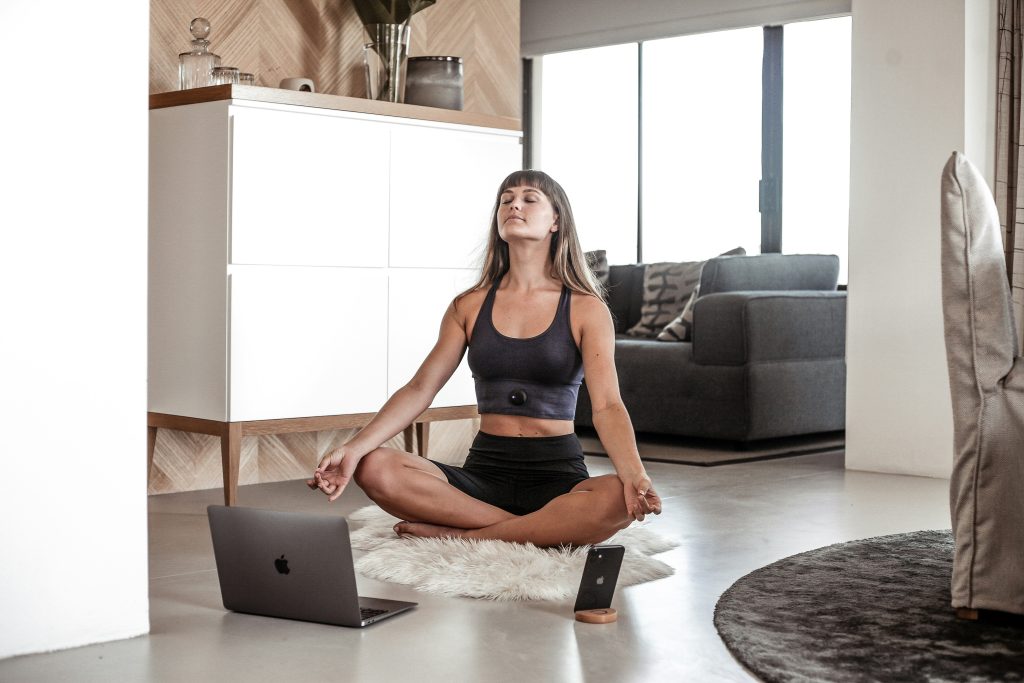
3-Minute Calm Reset
Inhale through your nose for 4 counts.
Pause for 1 count.
Exhale slowly for 6 counts.
Repeat for 3 minutes.
The longer exhale is the key. It helps encourage a calmer response in the body and can quickly reduce that rushed, anxious feeling.
This technique works well at your desk, before a presentation, or even in your car before walking into a stressful situation.
Why Breathwork for Anxiety Matters for Today’s Professionals
For leaders, entrepreneurs, and professionals, anxiety often hides behind productivity. You may still be performing at a high level while feeling mentally overloaded. That is why practical tools matter.
Breathwork for anxiety fits naturally into a busy schedule. It is quick, private, and easy to repeat throughout the day. Whether you lead a company, manage a team, or work in a demanding role, it can help you feel steadier and more present.
Conclusion
You do not need to wait until stress becomes overwhelming to take action. Breathwork for anxiety gives leaders and professionals a simple way to create calm, improve focus, and handle pressure more effectively.
If you want to feel more in control during your workday, start with one intentional breath and build from there.
FAQs
A simple slow-breathing method with a longer exhale is one of the easiest and most effective options to use during the workday.
Yes. Breathwork can help settle nerves, reduce tension, and improve your sense of control before important conversations.
Even just a few minutes a day can help. Many professionals use it before meetings, during breaks, or whenever stress begins to rise.