
The best exercise for PMS relief is a combination of regular aerobic movement and yoga, sustained consistently throughout the month. Yes, exercise does reduce PMS symptoms.
Studies show that women who train three or more times per week report measurably lower levels of pain, fatigue, mood disruption, and bloating compared to those who are sedentary. But let’s dive right into understanding PMS first.
What is PMS?
Premenstrual Syndrome (PMS) is a set of physical, emotional, and behavioural symptoms that occur in the one to two weeks before a woman’s period. It is driven by the hormonal changes during the luteal phase of the menstrual cycle, specifically the rise and fall of oestrogen and progesterone.

Symptoms range from bloating, cramping, breast tenderness, and headaches to mood swings, irritability, anxiety, brain fog, and disrupted sleep. They typically resolve within a few days of the start of menstruation.
Up to 80% of women in their reproductive years experience premenstrual symptoms, and for 20 to 30%, those symptoms significantly affect daily life. It remains under-discussed and under-treated in mainstream healthcare, which is exactly why understanding what works matters.
Does Exercise Reduce PMS Symptoms?
The evidence says yes, clearly. Multiple systematic reviews and randomised controlled trials confirm it. Regular physical activity reduces both the severity and frequency of PMS symptoms across physical and psychological categories.
Exercise works on PMS through several mechanisms, including:
- It lowers prostaglandin production, the primary driver of cramping.
- It raises serotonin and dopamine, the neurotransmitters that drop in the luteal phase and are directly linked to mood instability.
- It regulates cortisol, which worsens bloating and sleep disruption when elevated.
- And it supports the hormonal balance between oestrogen and progesterone over time.
The key distinction is that exercise works as a preventive tool, not just a reactive one. Waiting until symptoms are already present delivers far less benefit than consistent movement in the weeks leading up to your period.
The Best Exercise for PMS Relief
Not all workouts deliver equal results. The best exercise for PMS targets both the physical and mood-related symptom categories, and the research points to three modalities:
Aerobic exercise
Aerobic exercise (running, cycling, swimming, dancing, brisk walking) for 20 to 40 minutes at least three times per week is the most effective for improving anxiety, irritability, and low mood.
It raises serotonin and dopamine directly, and reduces overall symptom severity when done consistently throughout the cycle.
Yoga therapy
Yoga therapy practised three or more times per week for 9 to 12 weeks has the strongest evidence for reducing pain and fatigue specifically.
Child’s pose, supine twists, and legs-up-the-wall target the lower abdomen and lower back. The breathwork component activates the parasympathetic nervous system, lowering the cortisol spike common in the luteal phase.
Strength training
Strength training in the follicular phase (days 1 to 14) builds the hormonal and metabolic foundation that reduces luteal phase symptoms.
Muscle mass improves glucose regulation, which directly reduces the cravings, energy crashes, and mood dips driven by blood sugar instability before a period.
Which Workouts Help with Cramps and Mood Swings?
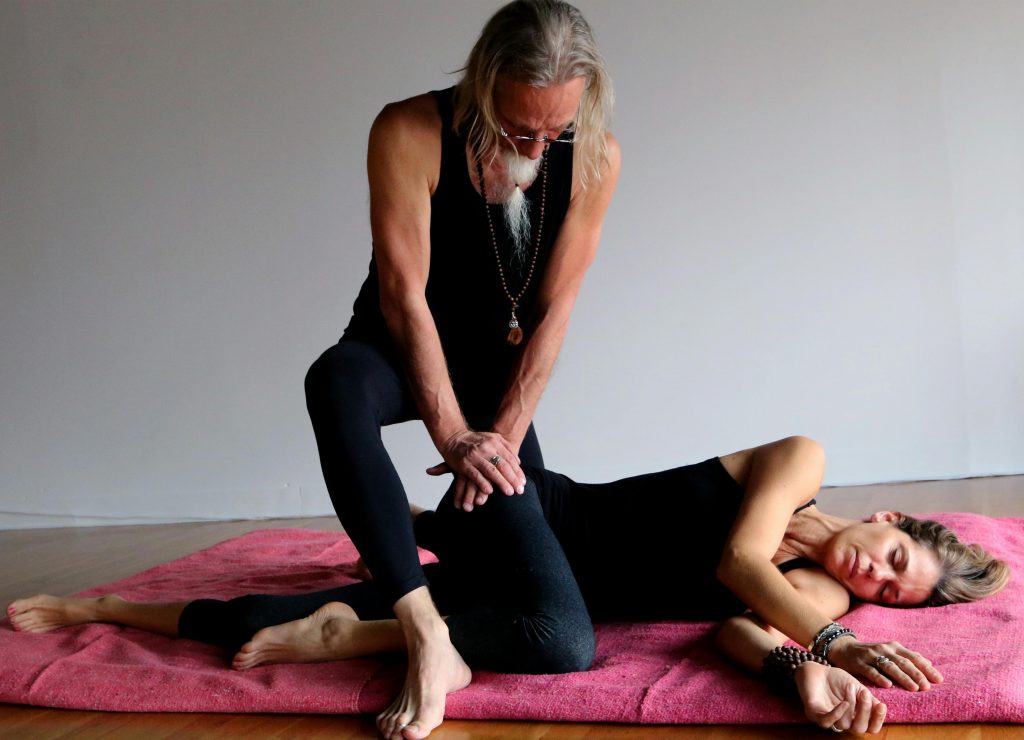
For cramps specifically, yoga is the most targeted option. The combination of poses that release tension in the pelvic region, paired with controlled breathing, addresses cramping at both the muscular and neurological levels. A consistent practice over 9 to 12 weeks produces the most reliable results.
For mood swings, aerobic exercise leads. Running, cycling, or any sustained moderate-intensity cardio raises endorphins and stabilises serotonin. It also reduces the cortisol-driven irritability and anxiety that intensify in the 10 days before a period.
For fatigue and brain fog, a combination of aerobic movement and light strength work supports sleep quality and glucose regulation. The latter are the two biggest contributors to the cognitive and energy dip that characterises the luteal phase for many women.
How Often Should You Exercise for PMS Relief?
Two sessions per week reduce PMS incidence compared to being sedentary. Three or more per week delivers the most consistent symptom reduction. Intensity matters less than regularity.
Build your exercise habit around your whole cycle, not just around your period. Symptom severity next week is shaped by what you do this week.
What to Ease Off Around Your Period
In the first two days of menstruation, when cramping is at its peak, high-intensity sessions often feel counterproductive. That is physiologically accurate.
Lighter movement (a 20-minute walk, restorative yoga, gentle stretching) maintains the benefit without adding stress to an already taxed system.
Keep HIIT to one session per week in the 10 days before a period. Excessive high-intensity work during the luteal phase elevates cortisol and can worsen bloating, sleep disruption, and mood instability.
A Simple Cycle-Synced Framework
- Follicular phase (days 1 to 14): Higher energy, faster recovery. Strength sessions, longer runs, new challenges.
- Ovulation (around day 14): Peak performance window. Best time for your most demanding workouts.
- Luteal phase (days 15 to 28): Steady-state cardio, yoga, moderate strength. Prioritise sleep and recovery over output.
- Menstruation (days 1 to 5): Walk, stretch, rest. Light movement only.
This is not about doing less. It is about matching effort to biology so the body gets the full benefit of movement without the depletion that comes from ignoring the cycle entirely.
The research is consistent: the best exercise for PMS is the one you do regularly, throughout the month, with intention. That shift alone changes the picture significantly.
One Response