
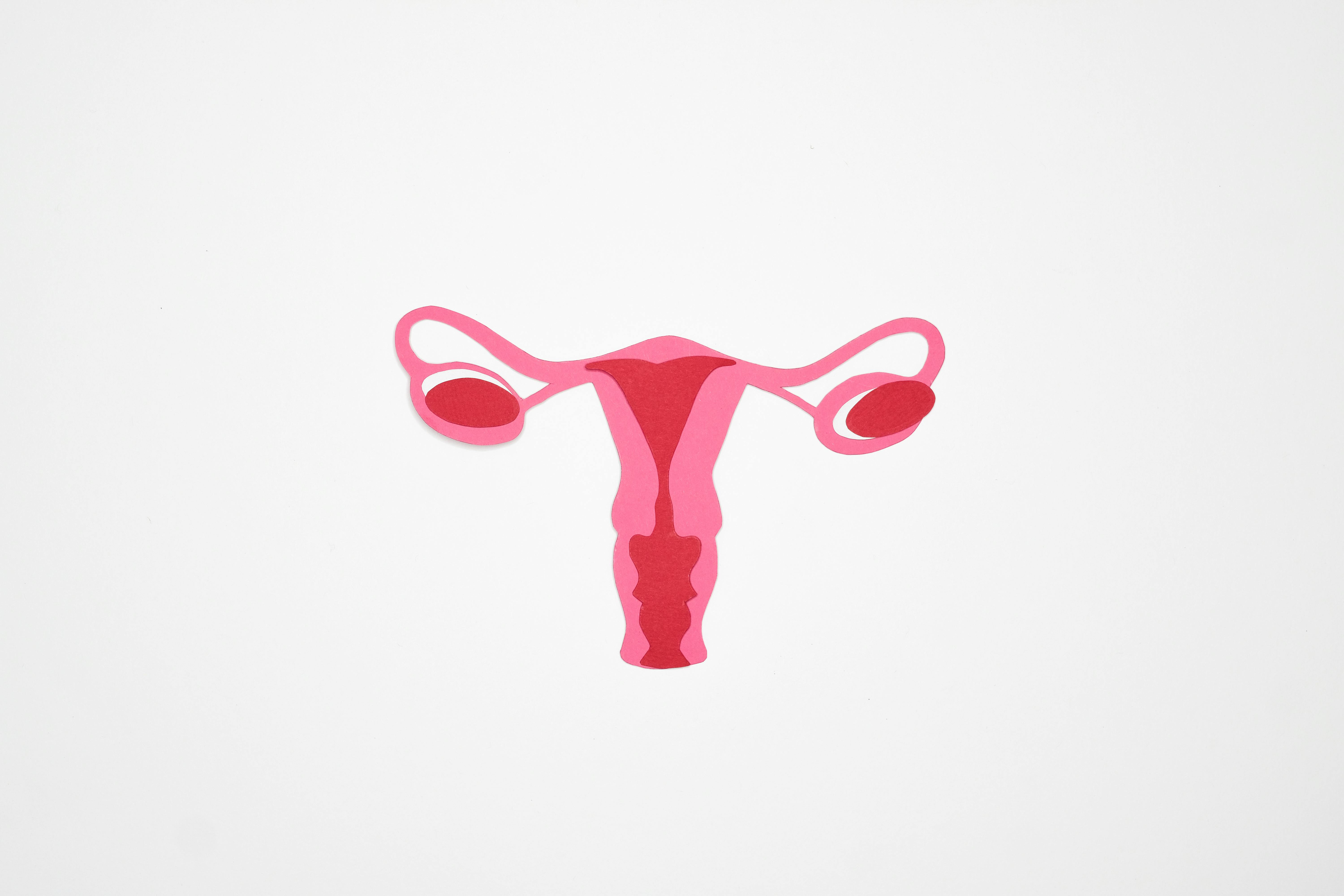
What is Cycle Syncing?
Cycle syncing is the practice of aligning your exercise, nutrition, and daily schedule with the four phases of your menstrual cycle. Rather than pushing the same routine through every week of the month, cycle syncing works with your hormones instead of against them.
Done consistently, it shifts fatigue patterns, reduces PMS symptoms, and builds a deeper understanding of how your body actually operates.
What Your Hormones Are Actually Doing Each Month
Your menstrual cycle is driven by two primary hormones: oestrogen and progesterone.
They rise and fall in a distinct pattern across four phases, creating a different hormonal environment each week. Those shifts affect your energy, metabolism, strength output, mood, appetite, and cognitive clarity.
For a full breakdown of what happens hormonally in each phase, read our guide to the four phases of the menstrual cycle. What cycle syncing adds is a framework for responding to those shifts rather than fighting them.
What Cycle Syncing Changes in Practice
The core shifts in cycle syncing happen across three areas:
Exercise
Your strength, endurance, and recovery capacity are not fixed across the month. During the follicular and ovulatory phases, rising oestrogen supports peak physical performance. High intensity interval training (HIIT), strength training, and high-intensity cardio work best here.
Cycle syncing workouts by phase means choosing higher intensity in the first half of your cycle and lower intensity in the second. During menstruation and the late luteal phase, yoga, walking, and Pilates are not compromises. They are the physiologically correct choice.
Nutrition
Oestrogen has a natural appetite-suppressing effect in the follicular phase. In the luteal phase, rising progesterone raises your basal body temperature and metabolic rate, driving cravings because your body is genuinely burning more energy.
Cycle syncing your nutrition means understanding those signals and responding with the right foods at the right time, not willpower.
Work and Scheduling
Mental clarity, social confidence, and creative output tend to peak during the follicular and ovulatory phases. The luteal phase often suits deeper, analytical work and planning. Cycle syncing workouts by phase are widely discussed. Cycle syncing your week at work is just as powerful and far less talked about.
What the Research Shows (and Where It Does Not Yet)
The evidence for cycle syncing is developing. A 2026 clinical study on the Cycle Syncing Method found 92% of participants reported meaningful reductions in PMS symptoms within 60 days.
A separate meta-analysis of 55 studies found no evidence that phase-based exercise training produces greater fitness gains than standard training.
What holds up consistently is self-awareness. Women who track their cycles report better understanding of their own energy patterns, fewer unexplained mood shifts, and more confidence in their decisions across the month. That knowledge has real, practical value regardless of what the fitness data eventually confirms.
How to Start Cycle Syncing: A Beginner’s First Steps
How to start cycle syncing does not require a complicated protocol. It requires one thing: knowing which phase you are in.
- Track your period for two to three cycles using an app like Clue or Flo, or a simple notebook.
- Note your energy levels, appetite, mood, and focus each week. After two cycles, patterns emerge.
- Once you can identify your phase, make one adjustment. Swap a high-intensity session for rest during menstruation. Push harder at ovulation. Eat more complex carbohydrates in the luteal phase.
- Build the practice one decision at a time. Cycle syncing for beginners works best as an experiment in body awareness, not a rigid programme.
Can you Cycle Sync If You are on Hormonal Birth Control?
Who can’t Cycle Sync?
Hormonal contraception that prevents ovulation, including the pill, patch, ring, implant, and injection, suppresses the natural hormonal cycle. Without those fluctuations, there are no phases to sync to. Women using non-hormonal contraception or a copper IUD can still cycle sync.
If your cycle is irregular, tracking by symptom pattern rather than day count still surfaces your personal rhythm over time. Irregular cycles are themselves data. Track retroactively over three cycles, and your pattern becomes visible.
One Response