

Nutrition and mental health are not separate conversations. What you eat shapes the bacteria in your gut, the hormones circulating through your body, and the neurotransmitters your brain uses to regulate mood, focus and resilience.
For women navigating monthly cycles, pregnancy or perimenopause, this connection is even sharper. This is because hormonal shifts change how food lands in the body.
Treating nutrition and mental health as one system, rather than two unrelated topics, is the starting point for actually feeling steadier.
The Gut-Brain-Hormone Connection
Around 90% of the body’s serotonin is produced in the gut, not the brain. Serotonin is the neurotransmitter that’s most linked to mood stability
That single fact reframes the nutrition and mental health conversation entirely. A gut lined with diverse, well-fed bacteria communicates with the brain through the vagus nerve and influences everything from anxiety levels to sleep quality.
Hormones sit inside this same loop. Estrogen and progesterone interact directly with serotonin and dopamine pathways, which is why mood can swing with a cycle, a pregnancy, or the hormonal decline of perimenopause.
Mainstream nutrition advice rarely accounts for this. It was built on research done largely on men, then applied to women as an afterthought.
Women deserve guidance grounded in how their own biology actually works, not a generic food pyramid designed for someone else’s hormones.
Foods That Support Mental Health and Mood
Certain foods do more than fuel the body. They give the brain and gut what they need to regulate mood.
- Omega-3 fatty acids, found in oily fish, walnuts and flaxseed, support the structure of brain cells and have been linked to lower rates of depression.
- Fermented foods such as yoghurt, kefir and sauerkraut feed the gut bacteria responsible for serotonin production.
- Leafy greens and legumes supply folate, essential for neurotransmitter synthesis, and
- Protein at every meal keeps blood sugar and energy steady across the day.
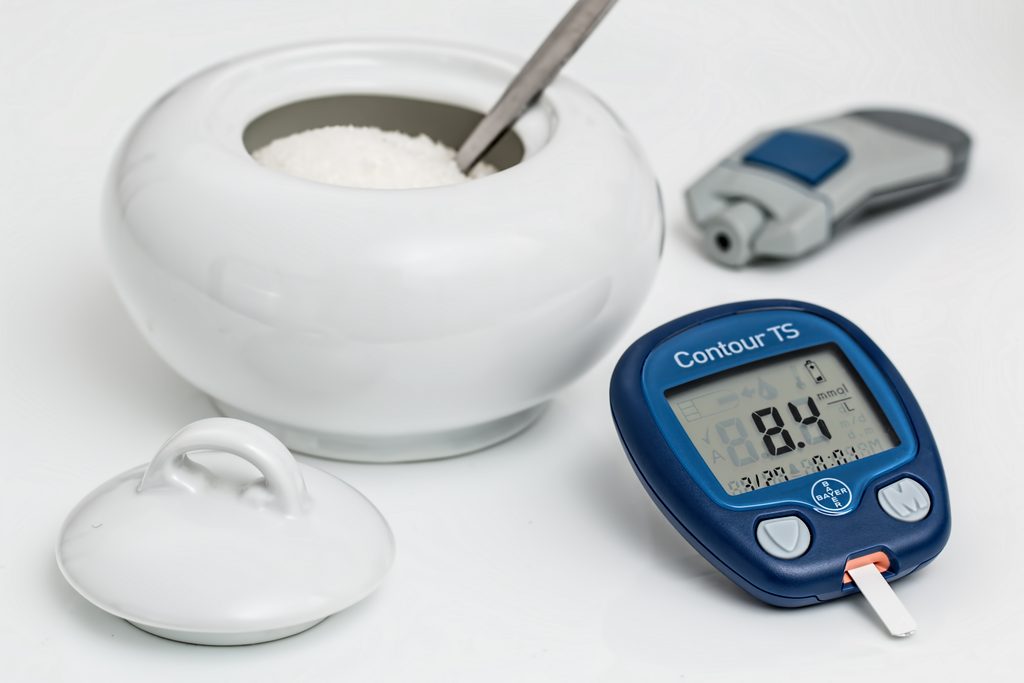
Blood sugar stability matters more than most people realise. Sharp glucose spikes and crashes mimic and worsen anxiety, irritability and fatigue. Exactly why nutrition and mental health cannot be untangled from how, and how often, we eat. Eating enough, consistently, is often more protective than eating perfectly.
Nutrition and Mental Health During Perimenopause
As estrogen declines during perimenopause, serotonin production drops with it. This is one reason so many women report new or worsening anxiety, low mood and disrupted sleep in their forties and fifties. Often, without ever being told the two are connected.
Stabilising blood sugar becomes even more important during this stage. Protein and fibre at each meal, consistent meal timing and reduced reliance on refined carbohydrates all support steadier hormone and mood regulation.
This is not about restriction. It is about eating in a way that actually supports the body going through change, rather than fighting against it. Women who understand this shift tend to move through perimenopause with far less confusion about what their bodies are asking for.
A Global Lens on Food and Mood
Across East Africa, traditional diets built on fermented staples such as ogi and injera, alongside legumes and leafy greens, already contain much of what gut and mood health research now recommends. Women in these communities have long eaten this way without needing the language of nutrition and mental health to validate it.
In the UK, the picture looks different. Ultra-processed food dominates supermarket shelves. The NHS mental health support is stretched thin, leaving many women to manage mood largely through what is on their plate, whether they realise it or not. Wherever a woman lives, nutrition and mental health deserve the same weight in her care as any prescription.
Building a Routine That Actually Works
Sustainable change starts small: protein at breakfast, a fermented food most days, and steady meal timing rather than skipped meals followed by sugar crashes.
None of this requires a strict plan or an all-or-nothing overhaul. Reclaiming nutrition and mental health as connected, everyday priorities, rather than a wellness trend, is what leads to real, lasting results.
Small anchors help on the mornings when a full breakfast is not realistic, which is exactly what 777 Aura’s two elixirs were built around.
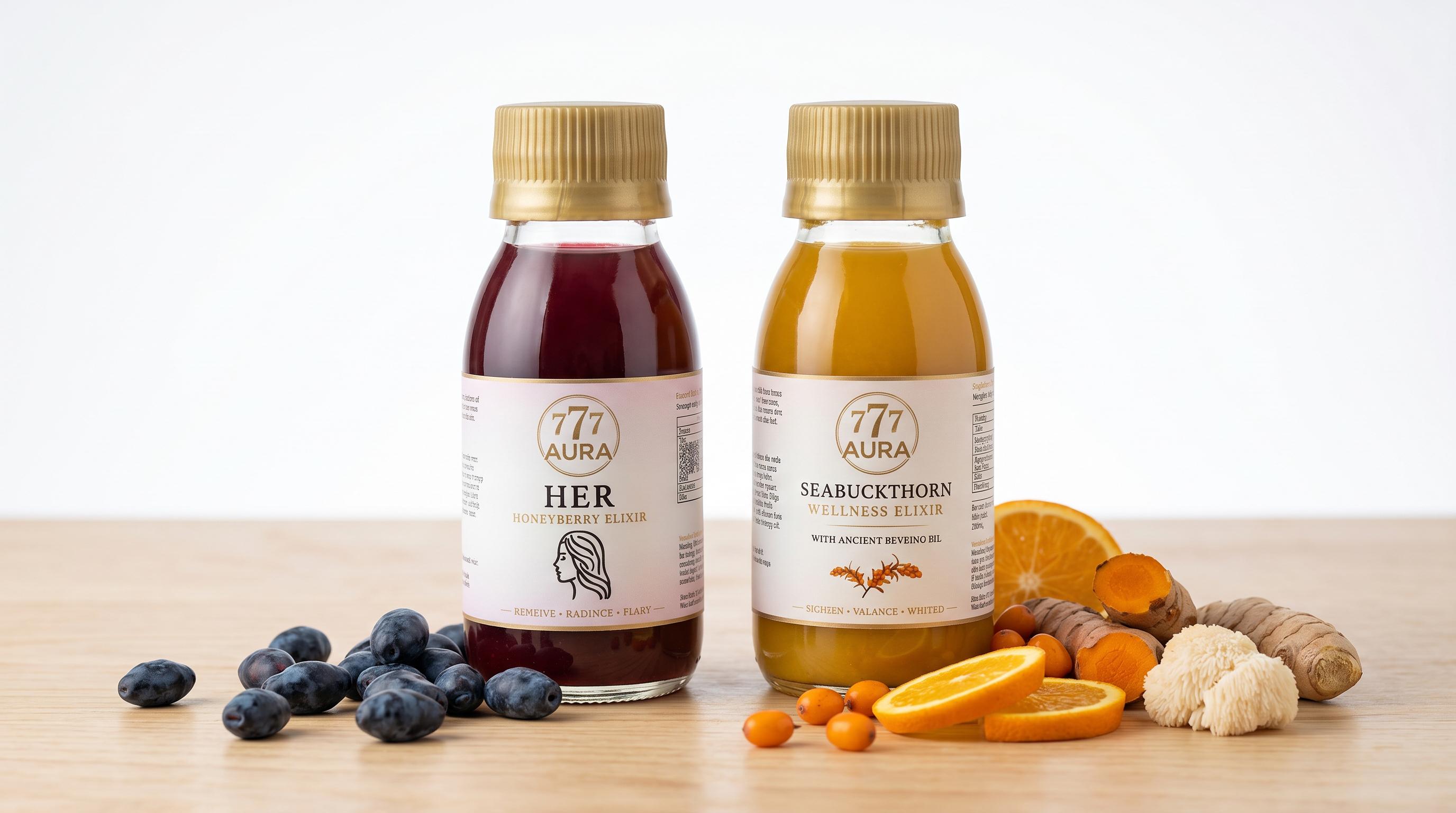
ENERGY, a seabuckthorn wellness elixir, supports steady focus and energy through the day. HER, a honeyberry elixir formulated for women, is designed with the same hormonal and mood shifts covered here in mind. Neither replaces real food. Both simply make consistency easier on the days it matters most.
This article is for informational purposes only. For medical advice or a diagnosis, consult a qualified healthcare professional.