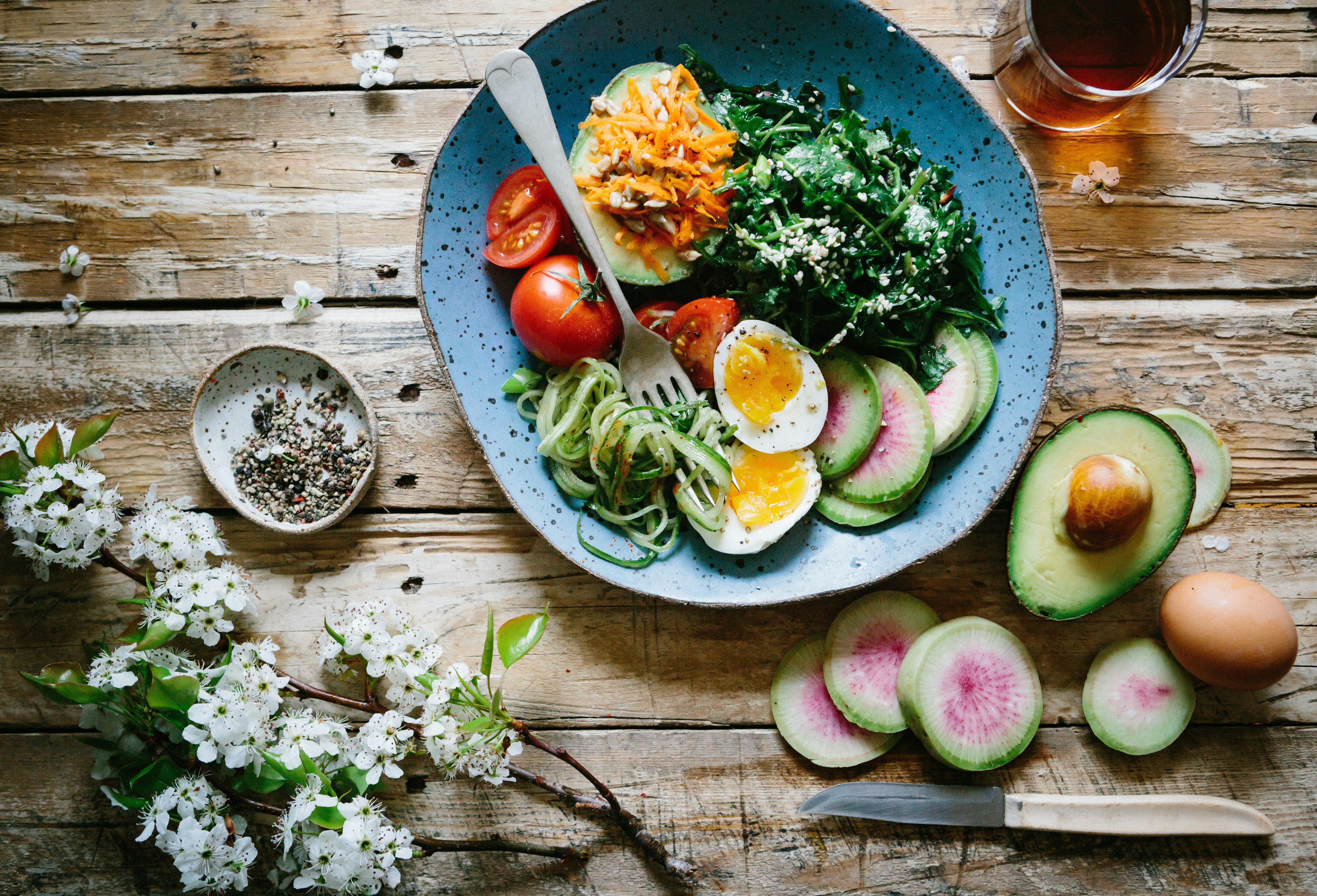
What you eat across your menstrual cycle matters more than most nutrition advice acknowledges. Each phase brings distinct hormonal shifts that directly affect your metabolism, appetite, inflammation levels, and nutritional needs.
Cycle syncing nutrition means eating in a way that supports those shifts rather than pushing against them. Here is exactly what that looks like in practice.
Before You Start: Know Your Phases
Nutrition recommendations only make sense when you know which phase you are in. Each phase creates a different hormonal environment that changes what your body needs.
If you are unfamiliar with what happens hormonally in each phase, start with our guide to the four phases of the menstrual cycle before reading on. Cycle syncing nutrition builds directly on that foundation.
To understand how cycle syncing works across exercise and scheduling as well, read our full cycle syncing guide.
Menstrual Phase (Days 1-5): Replenish What You Lose
During menstruation, oestrogen and progesterone drop to their lowest levels. Bleeding depletes iron stores and increases prostaglandins, the compounds that drive inflammation and cramping. This is not the phase to restrict calories or train hard. Your body is working.
What to eat during your period:
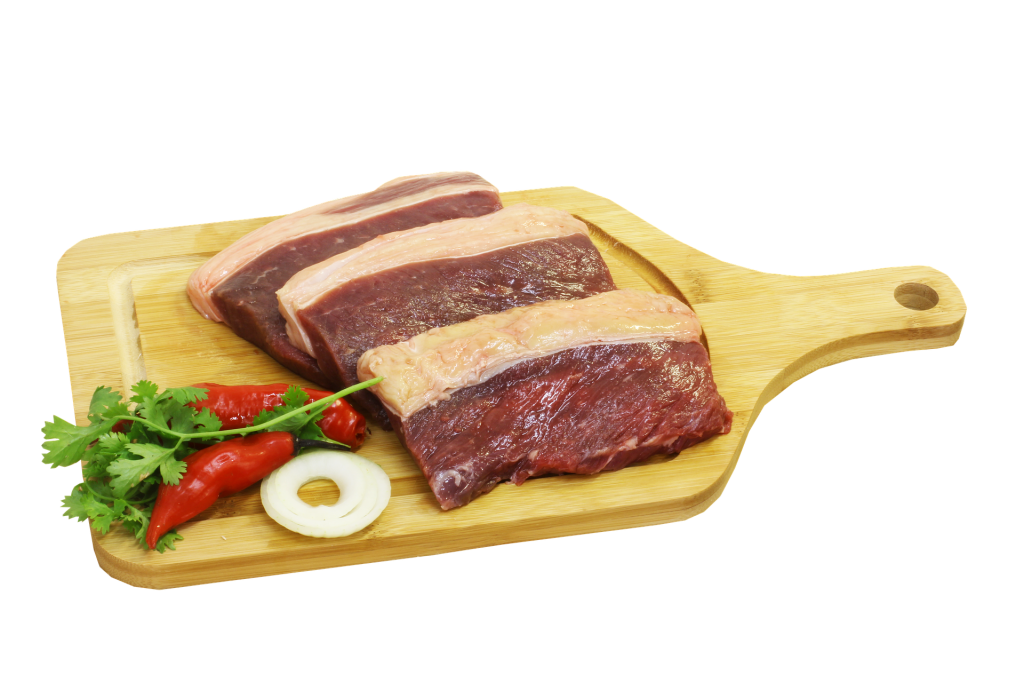
- Iron-rich foods: red meat, lentils, spinach, dark leafy greens
- Vitamin C to support iron absorption: citrus, berries, red peppers
- Omega-3 fatty acids to reduce inflammation: salmon, sardines, flaxseed, chia
- Warming, easy-to-digest foods: soups, stews, cooked vegetables rather than raw
Limit heavily processed food, excess caffeine, and alcohol during this phase. All three amplify inflammation and worsen cramping.
Follicular Phase (Days 6-13): Light, Energising, and Liver-Supporting
As oestrogen rises in the follicular phase, energy returns and appetite often decreases naturally. This phase is an opportunity to focus on oestrogen metabolism, supporting your liver in processing oestrogen efficiently before it peaks at ovulation.
Follicular phase foods to prioritise:
- Cruciferous vegetables: broccoli, cauliflower, kale, Brussels sprouts, which support liver detoxification pathways
- Fermented foods: kimchi, kefir, sauerkraut, and live yoghurt to support gut-based oestrogen clearance
- Seeds: flaxseeds and pumpkin seeds, which support oestrogen balance through phytoestrogen content
- Lean protein and complex carbohydrates to sustain rising energy
Follicular phase foods work best when they are light and fresh. Your digestion is efficient here, and your body handles raw foods, salads, and lighter meals well.
Ovulatory Phase (Days 14-16): Anti-Inflammatory and High-Energy Foods
Oestrogen peaks around ovulation, and testosterone rises alongside it. Your metabolic efficiency is at its highest, your body handles physical and cognitive demands well, and your appetite remains relatively controlled. The focus here is on anti-inflammatory, nutrient-dense foods that support peak output.
Ovulatory phase foods:
- Oily fish, avocado, and extra virgin olive oil for healthy fats
- Antioxidant-rich fruits and vegetables: berries, peppers, leafy greens
- Adequate hydration as your body temperature is beginning to rise
- Light, whole foods that digest easily and sustain energy without heaviness
Luteal Phase (Days 17-28): Magnesium, Zinc, and Complex Carbs
What to eat during the luteal phase is where most questions arise, because this is the phase of cravings, bloating, and mood shifts.
Progesterone rises after ovulation, raising your basal body temperature and increasing your caloric needs. The cravings that appear here are not a failure of willpower. They are a physiological signal that your body is burning more energy.
Luteal phase foods to prioritise:
- Magnesium to reduce cramping and support sleep: dark chocolate (70% and above), nuts, seeds, leafy greens
- Zinc for mood regulation and immune support: oysters, red meat, pumpkin seeds, legumes
- Complex carbohydrates to stabilise blood sugar and manage cravings: sweet potato, oats, brown rice, lentils
- Potassium-rich foods to reduce water retention and bloating: bananas, leafy greens, beans, avocado
What to eat during the luteal phase when cravings hit: reach for dates, dark chocolate, or fruit with nut butter before processed sugar. The goal is to satisfy the physiological need without the blood sugar crash that worsens PMS.
What Supports Cycle Syncing Nutrition in Every Phase
Three things apply regardless of phase: adequate daily hydration, minimal ultra-processed food, and enough dietary fibre to support oestrogen clearance through the gut. These are the foundations. The phase-specific foods build on top of them.
Cycle syncing nutrition is not a rigid meal plan. It is a responsive framework. Start by paying attention to how your appetite shifts across the month. The patterns you notice will guide the adjustments worth making.
Great content! Keep up the good work!
🙏